Settling In, Not Signing Off: A Two-Week Guide to a Care-Home Move
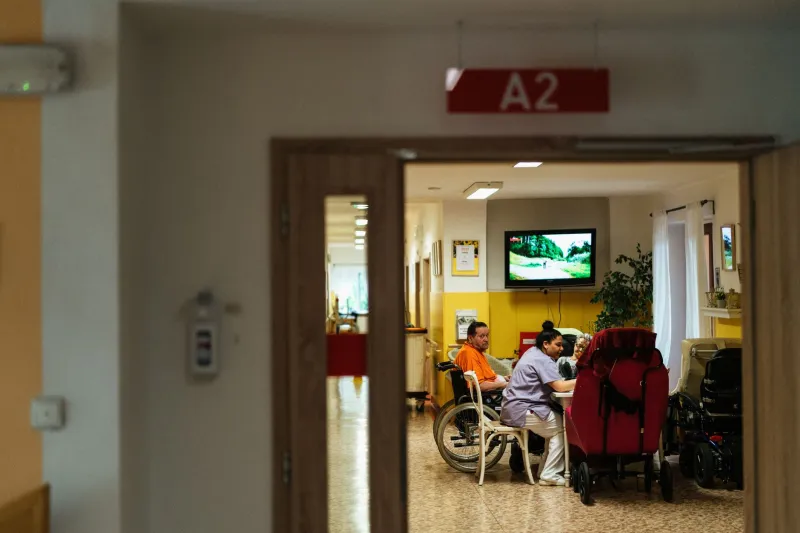
Moving a relative into a care home is rarely a single event. It is a sequence of small adjustments, practical questions and quiet observations. The first two weeks can feel like a test of your decision. They are better understood as a period of settling in, for both of you. The aim is not to sign off and step away. It is to learn how the home works, how your relative is responding, and what kind of involvement will help from here.
Before the first day
A little preparation makes the first fortnight calmer. Ask for the current care plan and read it before arrival. Check how it records mobility, continence, nutrition, skin care, medication and communication needs. Request a named contact: the registered manager, deputy manager or key worker. Ask how to reach them and when they are usually available.
Clarify visiting arrangements, including any restrictions, parking, children and pets. Ask what the home supplies and what families are expected to provide. Care homes vary. Some provide toiletries and laundry; others expect families to supply both. Check the fees contract before the move if possible. Ask what is included, what is extra, how annual increases work, and how top-up fees are agreed. Keep a copy.
It is also reasonable to check the home's registration and latest inspection report. In the UK, care homes are regulated by the Care Quality Commission in England, the Care Inspectorate in Scotland, Care Inspectorate Wales, or the RQIA in Northern Ireland. This is not a suspicious act. It is part of ordinary due diligence.
The first 48 hours
Arrive with a small bag, not a removals van. Bring labelled clothing, comfortable shoes, glasses, hearing aids, toiletries, a familiar blanket or photographs, and a printed medication list. Leave valuables, large furniture and important documents at home unless the home has agreed otherwise. Do not bring duplicate medicines unless the manager has asked; the home will manage medication through its own records.
Keep the first visit short. Help unpack, meet the staff, and leave at a calm point. A relative may be tired, anxious or irritable. That is not a verdict on the move. Give them time, and give yourself permission not to fill every silence with reassurance.
The first week: what to ask and observe
Ask the manager:
- Has the care plan been reviewed since arrival?
- Who is the key worker, and when will they next check in?
- How are medication changes recorded and shared with the GP?
- How is food and fluid intake monitored?
- What activities are available, and how are quieter residents included?
- How will we be told about incidents such as falls, infections or hospital appointments?
Observe without auditing every minute. Notice whether your relative is dressed, comfortable and hydrated; whether call bells are answered; whether staff speak to residents with respect; whether the atmosphere feels calm or rushed. Write down anything that worries you, with date and time. A pattern matters more than a single difficult afternoon.
Medication, care plans and fees
Medication: ask how the home obtains prescriptions, how it records administration, and what happens if a dose is missed. The medication administration record should be accurate and current. If your relative manages some medicines themselves, ask how this is supported and reviewed.
Care plan: it should be person-centred, not a generic form. It should record preferences, routines, risk assessments and what matters to the person. Ask for a review date within the first two weeks and again after six weeks. You can request a copy.
Fees: check the contract for notice periods, fee increases, top-up arrangements and what happens if the local authority is involved in funding. Ask for invoices in writing and keep a simple record. If something is unclear, ask before signing or before the first invoice arrives.
When to raise a concern
Raise a concern promptly if you see unexplained bruises, weight loss, dehydration, untreated pain, repeated falls, skin breakdown, missed personal care, missing belongings, medication errors, or a change in mood or alertness that is not explained. Start with the key worker or manager. Ask what they will do, by when, and how they will tell you. Follow up in writing.
If the response is unsatisfactory, ask for the complaints procedure. In England, the local authority safeguarding team and the CQC can be contacted; in Scotland, the Care Inspectorate and local safeguarding; in Wales, Care Inspectorate Wales; in Northern Ireland, the RQIA. This is not an overreaction. It is part of settling in.
A calm close
The first fortnight is not a test of whether you chose perfectly. It is a period of information gathering. Your relative needs familiar things, predictable visits and time. You need clear contacts, written answers and a way to note changes. Keep visits short and regular if you can. Ask one question at a time. Leave room for the relationship to change shape. A care-home move can be the beginning of a different kind of care, not the end of your involvement.