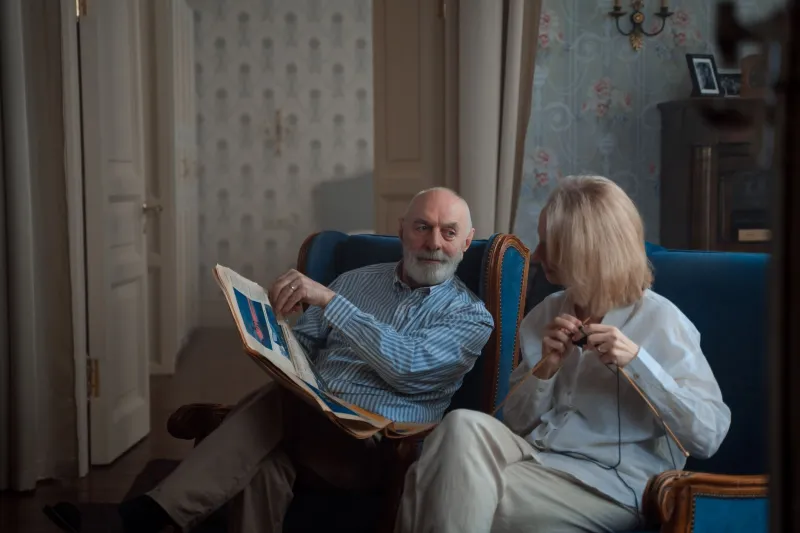
A Winter Without Them: Supporting an Older Relative Through the First Season of Grief

Photo: Adam Cuerden, Public domain, via Wikimedia Commons
The first winter after a bereavement has a character of its own. The days shorten, the house grows quieter, and routines that once involved two people can suddenly feel exposed. For an older relative, this season may bring not only sadness but a practical sense of disruption: meals made for one, evenings that begin earlier, and dates on the calendar that carry a weight no one else can see.
Families often want to make things better quickly. In truth, there is no way to remove the grief of this winter. What families can do is make the season steadier, warmer and less lonely, without trying to fill every silence or hurry an older relative towards recovery.
Recognising why this winter may feel different
Grief is not a single event, and the first winter can bring it into sharper focus. Shorter daylight hours can reduce the natural prompts that encourage people to go out, see others or keep to a routine. Christmas, birthdays and the anniversary of a death may arrive close together. Even ordinary moments, such as putting out one cup rather than two, can feel unexpectedly painful.
An older relative may become quieter, decline invitations or say little about how they feel. This is not necessarily a sign that something is wrong. It may be a form of pacing. It is still worth noticing changes in sleep, appetite, confidence and self-care, and offering company without demanding conversation.
Warmth as a practical kindness
Cold is not only uncomfortable; it can affect mobility, mood and general wellbeing. Rather than asking an older relative whether they are warm enough, it is often more helpful to observe. Check that the main rooms are comfortably heated, that draughts are addressed and that blankets and warm layers are within easy reach. Look at whether heating controls are understood and whether any concern about bills is causing someone to underheat the home.
Families can also help with practical warmth: arranging a heating check, clearing paths before cold weather, keeping hot drinks available, and making sure carbon monoxide alarms are working. If cost is a worry, encourage a conversation with Citizens Advice, the local council or Age UK rather than leaving it unspoken. Support with energy efficiency, benefits or winter payments may be available, and a calm check of Gov.uk information can be a useful starting point.
Meals that ask little and give much
Appetite often changes after a loss. Cooking for one can feel pointless, and the effort of shopping or preparing food may seem greater than the reward. Try to make food easy rather than elaborate. A familiar soup, a batch of small portions in the freezer, or a simple breakfast that requires little thought can be more useful than a grand meal that creates pressure.
Where possible, eat together rather than simply delivering food. Company can make a modest meal feel more like an occasion. Encourage hydration too, as thirst can be easily overlooked in colder weather. Local lunch clubs, community kitchens and befriending services can also provide gentle structure, particularly for relatives who are reluctant to accept help from family alone.
The shape of quiet evenings
Dark evenings can make the day feel closed too early. A little gentle routine can help: a lamp switched on before dusk, a favourite radio programme, an audiobook from the local library, or a regular telephone call at a fixed time. The aim is not to fill every hour but to make the evening feel less shapeless.
Short, regular contact is often better than occasional grand gestures. A fifteen-minute call, a lift to a weekly group, or a standing invitation to Sunday tea can provide reassurance without overwhelming. If an older relative is reluctant to socialise, offer low-pressure options: a walk in daylight, a visit to a garden centre, or simply sitting together with a cup of tea.
Dates, anniversaries and the empty chair
Christmas and anniversaries can be especially tender. Ask what your relative would prefer rather than assuming. Some people want to mark the occasion quietly; others want to avoid it altogether; some may change their mind nearer the time. A flexible plan is kinder than a fixed one.
It can help to acknowledge the person who has died in a simple way, whether by looking at photographs, lighting a candle, visiting a place that mattered or sharing a memory. Do not be frightened of mentioning their name. For many bereaved people, the fear is not that they will be reminded, but that others will forget.
Paperwork without pressure
Bereavement administration can be tiring and strangely relentless. Offer to help with letters, forms, photocopying and deadlines, but try not to take over. Ask what would be most useful and keep important documents together in one folder. The Tell Us Once service can reduce the need to notify several organisations separately, and organisations such as Citizens Advice can help explain what is required.
Set aside short periods for paperwork rather than letting it consume a whole day. If decisions are needed about pensions, council tax or household bills, write down the questions in advance and, where appropriate, help your relative make a call or attend an appointment.
When to ask for more help
Grief is not an illness, but it can affect health. Encourage your relative to speak to their GP if they are persistently low in mood, not eating or drinking, sleeping very poorly, neglecting themselves, or feeling hopeless. Seek urgent help if there are thoughts of suicide or a medical emergency.
Bereavement support organisations such as Cruse Bereavement Support, local hospice services and Age UK can offer a listening ear or practical advice. Some people prefer a group; others prefer one-to-one support by phone. A GP can also discuss local options and check whether physical symptoms need attention.
A steady presence
The first winter after a loss cannot be fixed by a checklist. It can, however, be softened by steady, unremarkable care: a warm room, a shared meal, a call at the same time each week, and permission to feel sad without being urged to move on. Families do not need perfect words. They need to remain present, practical and patient, and to remember that small acts of continuity can carry a great deal of comfort through a quiet season.