The Shared Load: Holding a Family Conversation About Care Without Blame

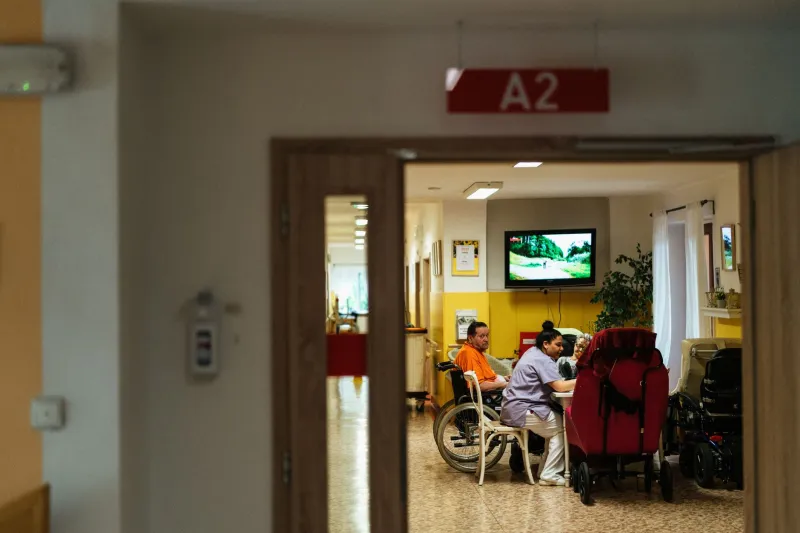
Photo: Evelyn Simak, CC BY-SA 2.0, via Wikimedia Commons
Care needs seldom announce themselves neatly. A parent may begin forgetting medication, a grandparent may find stairs harder, or a hospital discharge may bring new routines into the home. In these moments, families often respond with goodwill but without a plan. One person starts ringing the GP, another covers the shopping, and a third assumes someone else is keeping an eye on things. Over time, the weight can settle on the nearest or most available person by default rather than by agreement.
A family conversation cannot solve every problem. It can, however, replace assumption with clarity. At AnsCare, we believe the aim is not a formal board meeting but a respectful discussion that keeps the older person at its centre and leaves everyone with a clearer sense of what happens next.
Begin with the person, not the problem
Wherever possible, the older relative should be part of the conversation. This sounds obvious, yet care discussions can easily drift into a review of someone’s difficulties conducted over their head. Ask what matters to them: what they want to continue doing, what worries them, what help they would accept and what they would rather avoid. Their preferences should shape the plan, even if practical limits mean compromises are needed.
If the person has memory difficulties or finds a group conversation overwhelming, consider a smaller discussion, a familiar advocate, or a separate conversation beforehand. The principle remains the same: they should not become the subject of a plan in which they have no voice.
Prepare a simple agenda
A short written agenda helps a family conversation stay calm and purposeful. Send it in advance, by email or in a message, so nobody arrives unprepared. Keep it to a single page. It might include:
- what has changed since the last conversation;
- what help is needed day to day;
- what the older relative wants and does not want;
- who can offer practical help, and when;
- what formal support or financial help should be explored;
- when the family will speak again.
Choose a setting where people can hear one another. The kitchen table is often ideal, but so is a quiet video call for relatives who live far away. Allow around an hour, perhaps ninety minutes at most. Fatigue and tension rise when discussions sprawl. A clear start and finish time can make difficult subjects easier to approach.
Set a tone before discussing details
It helps to agree a few ground rules at the outset. No blame, no re-litigating old family history, and no comparing who has done more. Ask people to speak from their own experience rather than making assumptions about others. Phrases such as ‘I am finding the evening calls difficult’ are more useful than ‘you never help in the evening’.
One person should act as chair, but this need not be the eldest sibling or the most confident voice. The chair’s role is to keep the conversation moving, invite quieter members to speak and park disagreements that cannot be resolved that day. If family relationships are particularly strained, a neutral third party can help. This might be a trusted friend, a carers’ organisation or a mediator. In some circumstances, the local council’s adult social care team can clarify what support is available, although they will not chair family disputes.
Handle disagreement without assigning fault
Disagreement is normal. Families often hold different views about risk, money, duty and what is best for the older person. The aim is not perfect consensus but a workable plan. Separate facts from feelings: what has actually happened, what is likely to change, and what each person is able or unable to offer.
If a relative says they cannot help on weekdays, it is more constructive to accept that as a boundary and ask what they can do than to challenge their commitment. Financial contributions, research, lifts to appointments, holiday cover and regular phone calls all count as care. Where conflict persists, record the options and set a date to revisit them. Some decisions may need professional advice, particularly where there are concerns about safety, mental capacity or finances. In England and Wales, lasting powers of attorney may be relevant; Scotland and Northern Ireland have different arrangements. Rather than debating legal details at the table, note the question and agree who will seek clear information.
Leave with actions, not just impressions
A conversation feels productive but can fade without a record. Before people leave, agree specific actions with names and dates. Avoid vague commitments such as ‘we must sort out the medication’. Instead, write: ‘Alex will ring the surgery on Monday about a medication review’, or ‘Priya will check eligibility for Attendance Allowance and report back by the end of the month’.
Share the notes afterwards with everyone who attended, including the older relative where appropriate. Keep them in one place, perhaps a shared document or a folder by the telephone. One person should take responsibility for arranging the next review, but the plan itself should be visible to all. This reduces the risk of one family member becoming the unofficial administrator of everything.
Build in review and contingency
Care needs change, and so do people’s capacity to help. Set a review date before you finish, usually within six to eight weeks, or sooner if the situation is unsettled. Include a simple contingency: who will step in if the main carer is ill, who holds spare keys, and where essential contact numbers are kept.
It is also worth asking the local council about a carer’s assessment and an assessment of the older person’s needs. Support varies across the UK, but these assessments can open the door to practical help, respite and financial information. A family plan should sit alongside formal support, not replace it.
Keep the conversation going
No single meeting will settle every question. Short follow-up conversations are often more useful than a long annual review. The goal is a shared understanding that can be adjusted as circumstances change. Families rarely get everything right, and that is not the standard to aim for. A fairer, clearer plan is.
If one person is still carrying most of the load after the meeting, say so at the next review. A shared load is not a slogan; it is a series of small, named commitments made by people who are willing to return to the table.