Planned Breaks, Steadier Care: Why Respite Belongs in the Plan

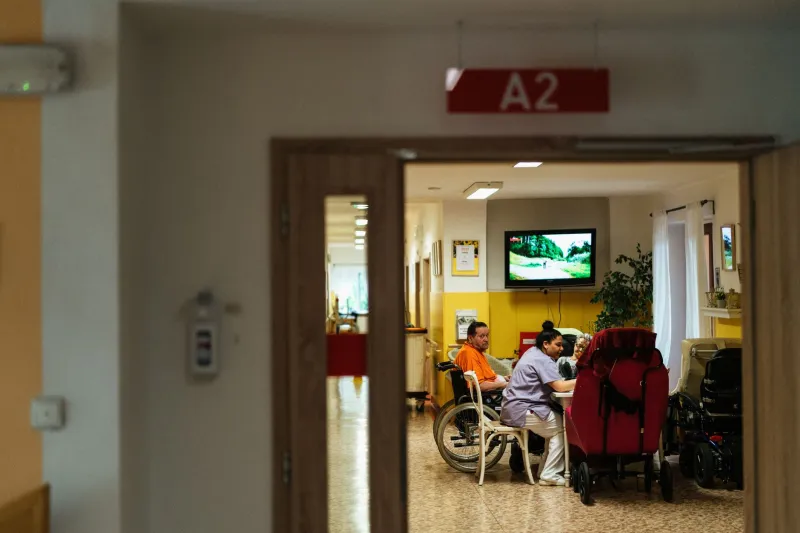
Photo: MotildaM, CC BY 4.0, via Wikimedia Commons
Respite care is frequently described in the language of reward. A carer is told they deserve a break, as though rest were a prize for endurance. That framing is well meant but misleading. Planned respite is not a reward for good behaviour, and it is not a guilty admission that family care is failing. It is maintenance. It keeps the carer well, the relationship steady, and the care itself sustainable.
The case for planning ahead
Many families seek help only when something breaks: an illness, a fall, a hospital admission or a carer's own collapse. By then, the options are narrower and the pressure is greater. A planned break, arranged before a crisis, gives everyone time to prepare. The relative can meet the person providing cover, the routines can be written down, and the carer can rest without spending the first two days worrying about whether the house is being run properly.
There is also a practical argument. Unplanned respite is often expensive, rushed and poorly matched to the person's needs. Planned short breaks can be trialled, adjusted and repeated. They can be built around hospital appointments, family events or simply the carer's need for uninterrupted sleep. In 2026, with many families supporting older relatives for longer periods, treating respite as a routine part of the care plan is more realistic than treating it as an emergency measure.
Start with a carer's assessment
In England, a carer's assessment is the usual route to support. Under the Care Act 2014, a local authority must assess a carer's needs on request, and the assessment is free. You do not have to be living with the person, and you do not have to provide a set number of hours of care. The assessment considers how caring affects your health, work, relationships and wellbeing, and whether support would help you continue caring.
Contact the adult social care department at your local authority and say plainly: I am a carer and I would like a carer's assessment. Keep a note of the date, the person you speak to and any reference number. Before the assessment, write down the practical difficulties: disturbed nights, the difficulty of leaving the house, the impact on work, and any tasks that are becoming harder. Ask specifically about short breaks, sitting services, replacement care and an emergency plan. The assessment may lead to a support plan, a direct payment, or information about local services.
Equivalent routes exist in Scotland, Wales and Northern Ireland, although the legislation and terminology differ. National organisations such as Carers UK and Age UK can help families identify the right local contact. If the person you support is self-funding their care, do not assume a carer's assessment is irrelevant; the carer's own needs are still assessed separately.
What short breaks can look like
Respite is not a single service. It can be a few hours of sitting support so the carer can attend an appointment, go to work or simply sleep. It can be a day centre, a lunch club or a organised activity that gives the relative company and structure. It can be replacement care at home for an overnight stay, or a short residential break in a care home for a week or two. Some families use a mixture: a regular weekly sitting service, with a longer break planned once or twice a year.
The best arrangement is usually the one that starts small. A single afternoon of sitting support can test whether the relative is comfortable with a new person and whether the carer can genuinely let go. From there, the pattern can grow. It is sensible to introduce the respite worker gradually, with the carer present at first, and to leave written notes about medication, meals, mobility and favourite routines.
When your relative says they do not need help
Many older people resist respite because they hear something different from what is being offered. They may hear that they are a burden, that they are being passed on, or that their independence is being taken away. Arguing with that fear rarely helps. It is more useful to separate the break from the idea of abandonment.
Try framing the break around a specific, practical need. Instead of saying, I need a rest from you, try: I have a hospital appointment next month and I would like someone to be here so you are not on your own. Or: I am not sleeping well, and I need one regular night of proper sleep so I can keep helping you safely. This is honest without being accusatory. It also makes the arrangement time-limited and concrete.
Involve your relative in choosing the person and the activity. If they can make decisions, their preferences should shape the plan. A relative who refuses a day centre may accept a familiar visitor at home; someone who rejects the word respite may accept a short break or a change of scene. Avoid presenting the plan as a permanent change unless it is one. Start with a trial and review it afterwards.
If the relative has capacity and continues to refuse, their decision must be respected, but the conversation does not have to end there. Ask what they would find acceptable, and revisit the subject when circumstances change. If there are concerns about capacity, seek advice from the GP or adult social care rather than making assumptions. The aim is not to win an argument. It is to find a workable arrangement that protects both people.
A routine part of care
A planned break is not evidence that family care has failed. It is evidence that the family is thinking ahead. Respite can protect the carer's health, reduce the risk of a crisis, and give the relative a wider circle of support. The conversation may be awkward, and the first arrangement may need adjustment. That is normal. What matters is that respite is placed within the care plan early, discussed honestly, and treated as ordinary maintenance rather than a guilty secret.